
Key condition where nutrition is critically important
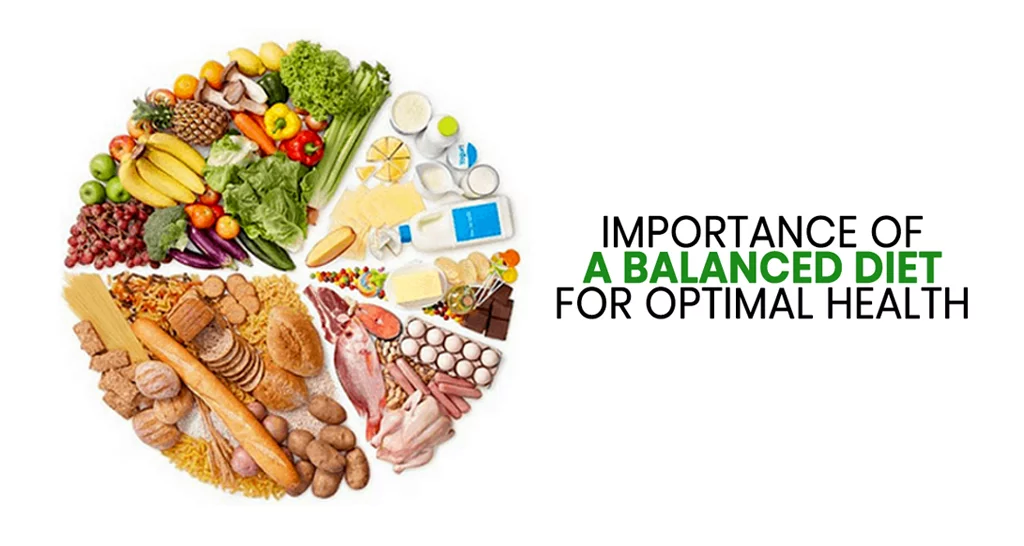
Key Health Conditions Where Nutrition Plays a Vital Role
Malnutrition (Underweight or Overweight)
Maintaining a balanced diet is essential to avoid malnutrition in any form. Both undernutrition and overnutrition can lead to serious health problems, and proper nutrition is the key to managing and preventing them.
Pregnancy and Breastfeeding
During pregnancy and lactation, the body’s nutritional needs significantly increase. Adequate intake of nutrients is crucial to support the health of both the mother and the developing baby.
Infancy and Early Childhood
In the early years of life, children require proper nutrition to ensure healthy growth and development. A diet rich in essential nutrients is critical during this stage.
Understanding Nutrients – The Building Blocks of Health
Our body needs six essential types of nutrients to function efficiently. A well-balanced diet includes the right proportion of both macronutrients and micronutrients.
Macronutrients – The Body’s Primary Energy Sources
These nutrients are required in large amounts and provide energy, build tissues, and support major body functions.
Carbohydrates
Found in: sugar, starch, fiber
Function: Main source of energy for the body
Fats (Lipids)
Found in: oils, butter, meat, dairy
Function: Stores energy, supports cell growth, and helps absorb nutrients
Proteins
Found in: eggs, meat, fish, dairy, soy
Function: Repairs tissues, builds muscles, boosts immunity, and regulates hormones
Micronutrients – Small in Quantity, Big in Impact
Micronutrients are needed in smaller amounts but are vital for proper body functioning. They include vitamins and minerals.
Essential Vitamins and Their Functions
Vitamin A – Supports vision, immune health, and cell differentiation
Vitamin B1–B12 – Converts food into energy, supports the nervous system and blood formation
Vitamin C – Powerful antioxidant, aids collagen production and wound healing
Vitamin D – Works with calcium to strengthen bones and boost immunity
Vitamin E – Acts as an antioxidant, strengthens the immune system
Vitamin K – Helps in blood clotting and prevents excessive bleeding
Essential Minerals and Their Functions
Calcium – Builds bones, supports muscle and nerve function
Chromium – Assists in breaking down carbs and fats
Copper – Supports brain development and nervous system
Fluoride – Strengthens bones and protects teeth
Iodine – Supports thyroid function and brain development
Iron – Produces hemoglobin, essential for oxygen transport in blood
Magnesium – Regulates blood pressure, supports muscle and nerve function
Manganese – Fights oxidative stress and supports energy production
Phosphorus – Helps build strong bones and teeth, repairs cells
Water – The Essential Transporter
Water plays a vital role in nearly every body function:
Transports nutrients and oxygen to cells
Regulates body temperature
Removes waste
Supports digestion and nutrient absorption
Nutrient Summary Chart
Nutrient Type Function Examples
Carbohydrates Macronutrient Provide energy Rice, bread, fruits
Proteins Macronutrient Build/repair tissues Eggs, beans, fish
Fats Macronutrient Store energy, absorb vitamins Butter, nuts, oils
Vitamins Micronutrient Regulate body functions A, B-complex, C, D, E, K
Minerals Micronutrient Support body systems Iron, calcium, zinc
Water Essential Hydration, nutrient transport Water, fruits, vegetables
Contact Us
Contact us for a quote, help, or to join the team.
Email:
shritesh.k@gmail.com
Phone:
8770109464